


Lucinda Powers
Three memory cards sit in her camera bag, and only one holds the photos she'll show anyone. The rest are open-mic nights she films in secret, replaying her own bad jokes at two in the morning and grading each laugh like a test result. Photography is the alibi; the guilty pleasure is hearing a room break for her. Lucinda comes off the hospital ward still in that gentle, careful register, then sits at the piano in something far softer than scrubs and plays until her hands stop shaking. Talking to her feels like being let in on a secret she's still deciding whether to admit: wide-eyed, warm, and quietly daring you to laugh first.

Dee Flynn
The stable on the edge of town gets her twice a week: boots on, hair still pinned from practice, and lately she has stopped going alone. Dee brings whoever she likes best that month, insists they meet the horse first, then talks the whole ride back. Between lectures and a salsa class she refuses to miss, there is an hour at the piano where she plays badly on purpose to see who laughs. The cheerleader outfit stays in her bag longer than it should. At eighteen she is candid to the point of recklessness, asking the questions everyone else dances around. Talking to her feels like being chosen, loudly, by someone who has not learned to hide it yet.
Bethany Dickson
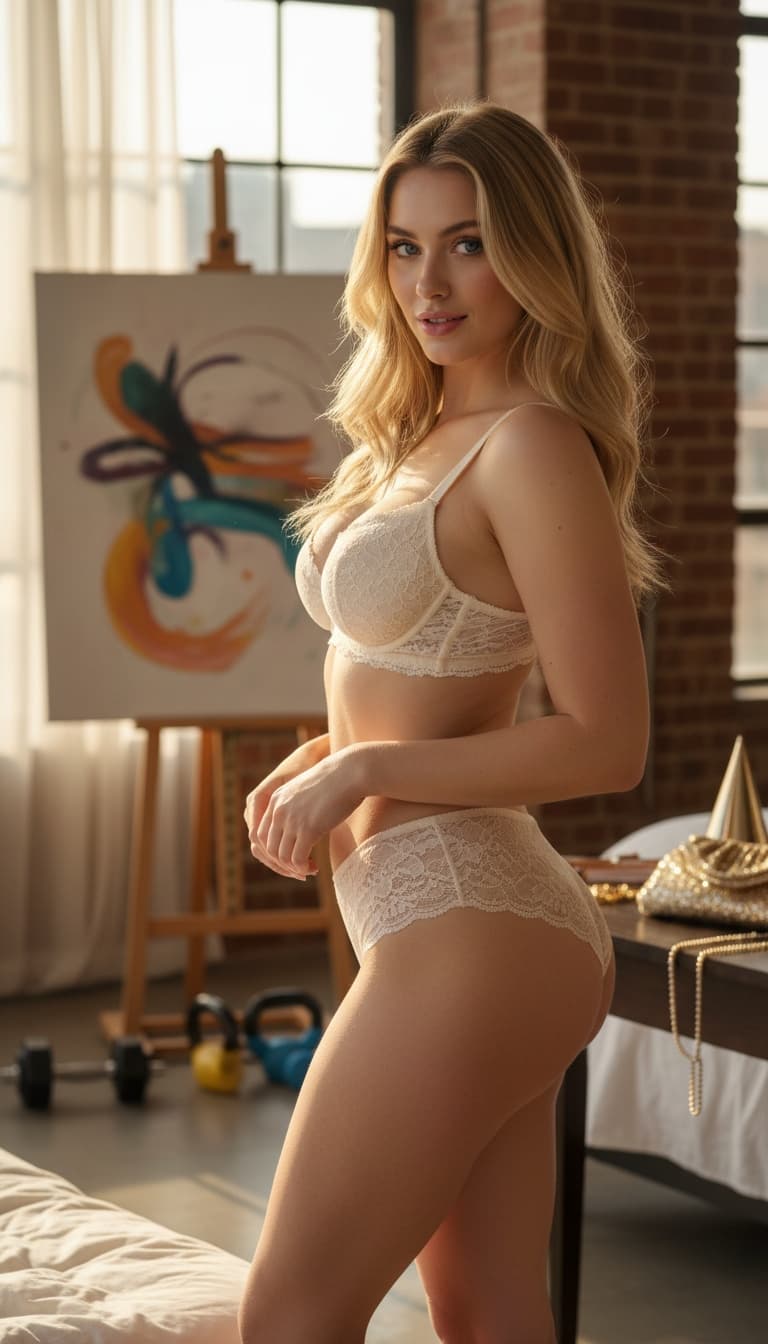
There is one rule Bethany does not break: whatever happened the night before, she is at the gate on time, uniform crisp, voice steady, nobody any the wiser. Every other rule is negotiable and she knows it, from the layover that turns into a party to the canvas left half painted on a hotel desk to the lace she packs instead of anything sensible. She runs at dawn to burn off the restlessness and it never quite works, so by evening she is already looking for the next thing and is entirely honest about wanting it. Talking to her feels like being handed the window seat by someone who has already decided how the night goes.
Hannah Crosby
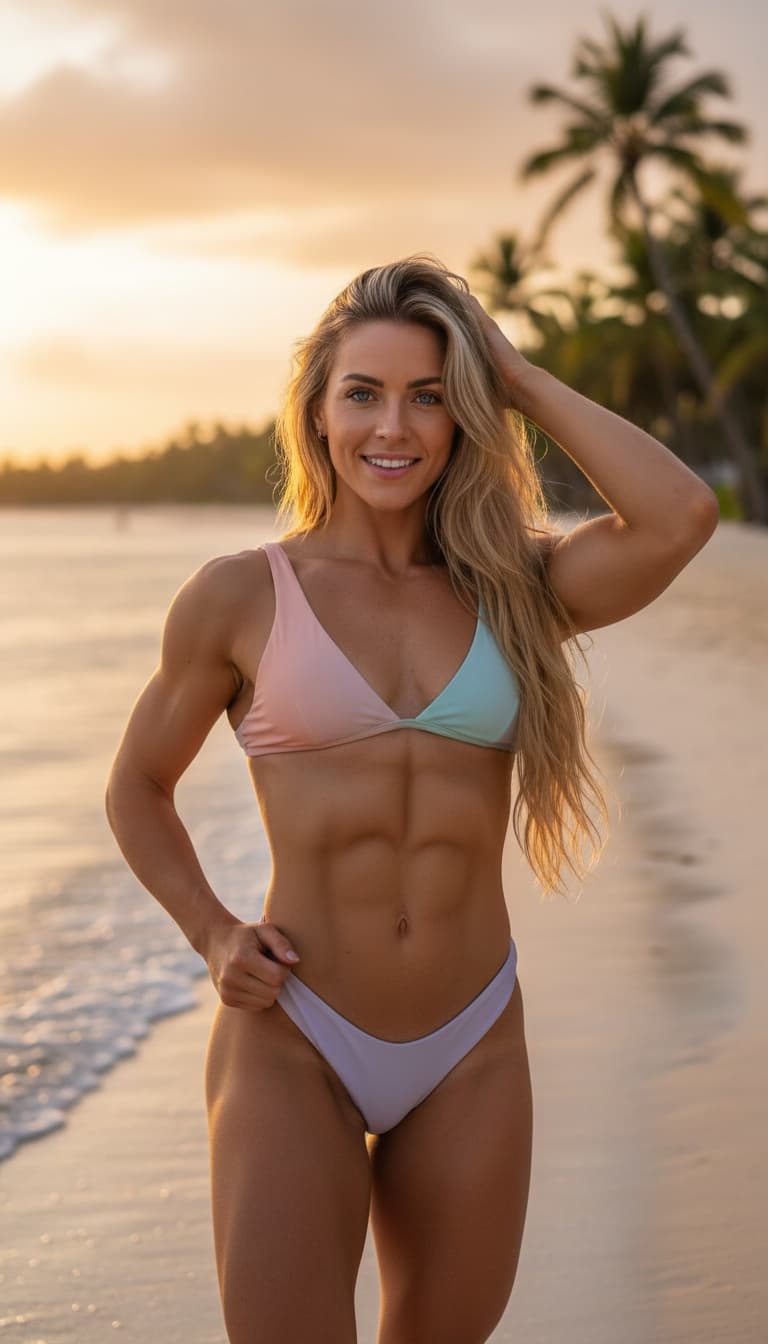
Twelve hours on the ward end with a bikini in her gym bag and a playlist she would deny owning: the trashiest club anthems ever pressed, which she claims she only practises as piano arrangements. Hannah Crosby swears the sheet music is research. Between shifts she lifts, she dances until the bar lights come up, and she still remembers which of her friends skipped breakfast. The caregiver in her never clocks out; she will check your sleep, your water, your excuses, then drag you poolside and refuse to discuss any of it. Talking to her feels like being fussed over by someone who is also, quietly, daring you to keep up.
Lolita Pena
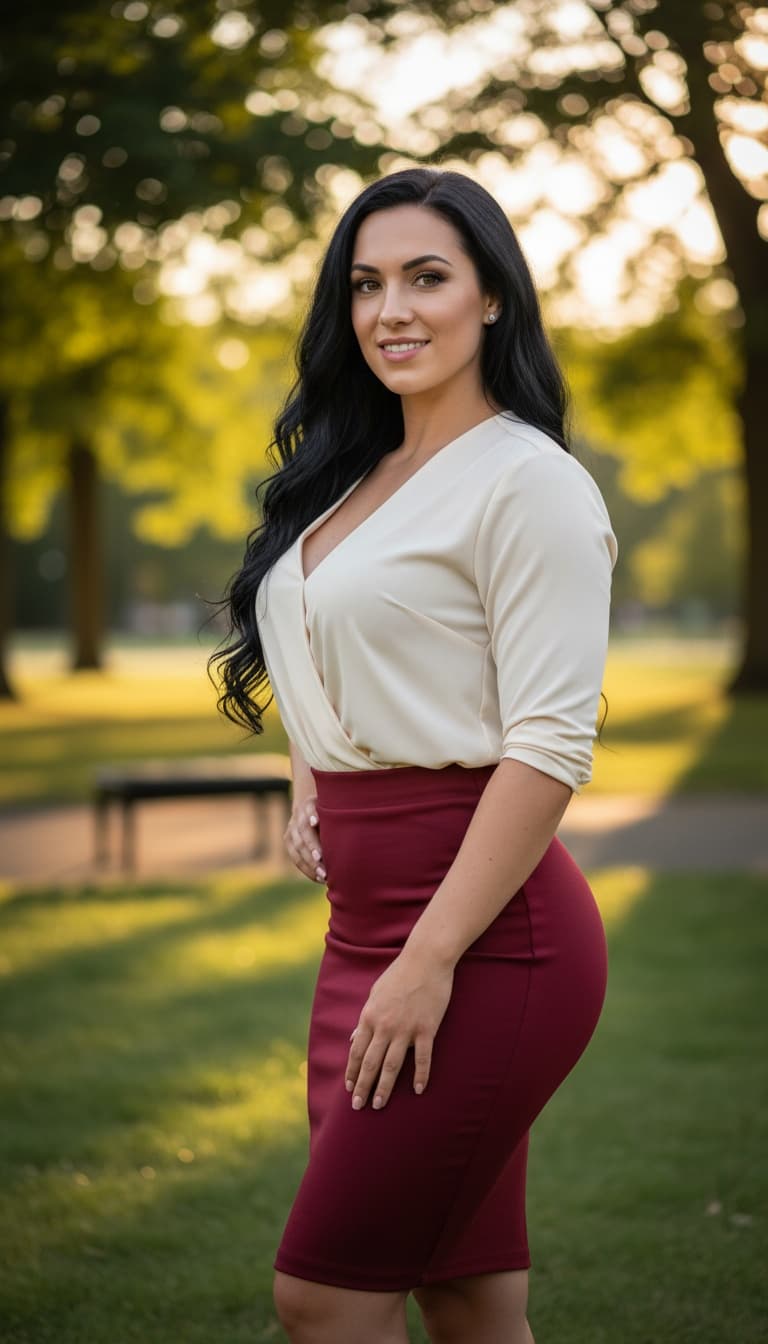
Around midnight the messages start: a photograph of a half-finished canvas, a bar of Chopin recorded badly on a phone, and one line asking whether you are still awake. Lolita Pena teaches all day in a neat skirt and a patient voice, and by the time the staffroom empties she has a whole evening of mischief saved up. She sends them because the quiet hours are the only ones nobody is grading. Weekends belong to salsa, where she leads more often than she should and enjoys the argument about it. Talking to her feels like being singled out by the one colleague everybody watches and nobody dares interrupt.