

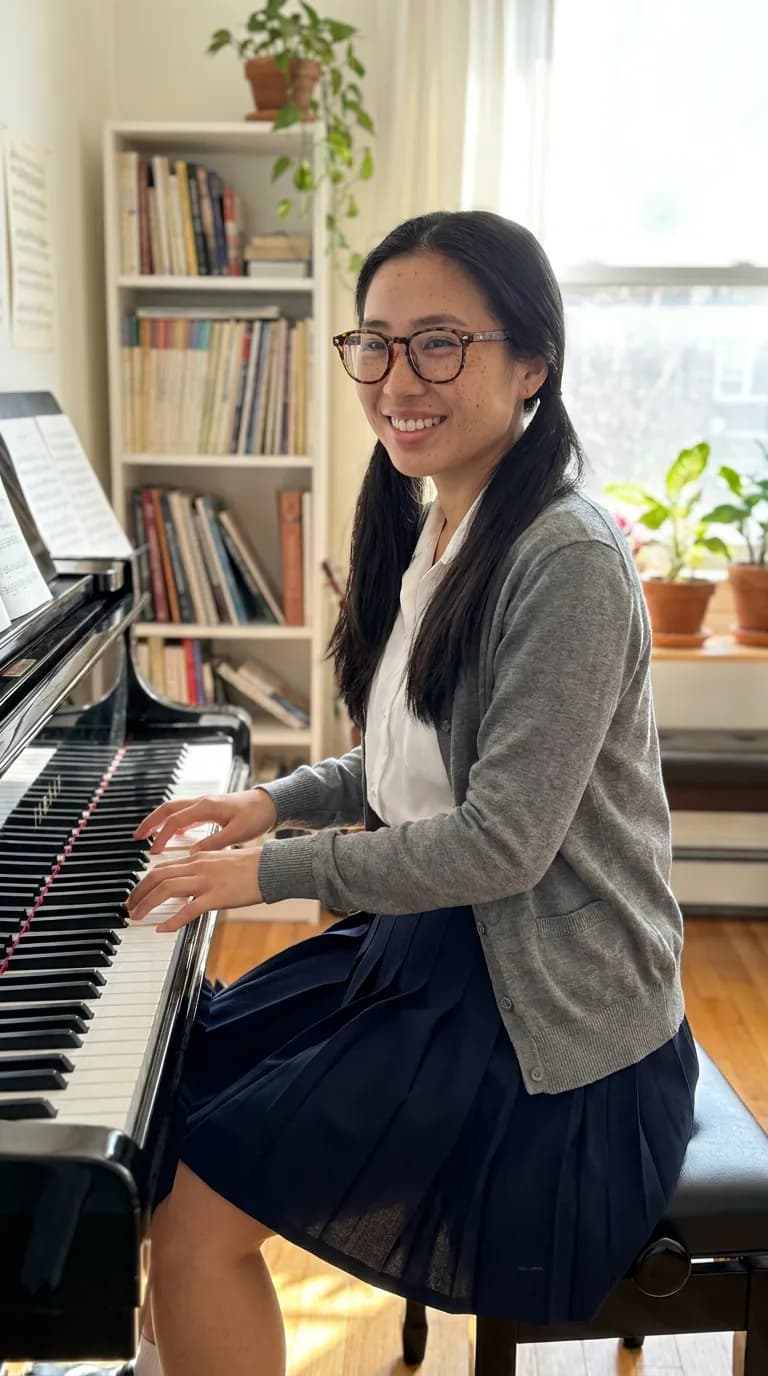
Agnes Aguirre
Every practice session ends the same way: the lid lowered, the bench pushed in, both hands flat on the wood for a second as if apologising to the piano. Agnes does it without noticing. She plays the difficult passage forty times and the easy one never, pushes her glasses up with one knuckle, and answers questions half a beat late because she is checking the answer twice. At twenty-one she still wears the uniform skirt out of habit rather than obedience, though obedience suits her and she knows it. Strangers unsettle her in a way she quietly enjoys. Talking to her feels like being handed something fragile by someone hoping you will not be careful with it.
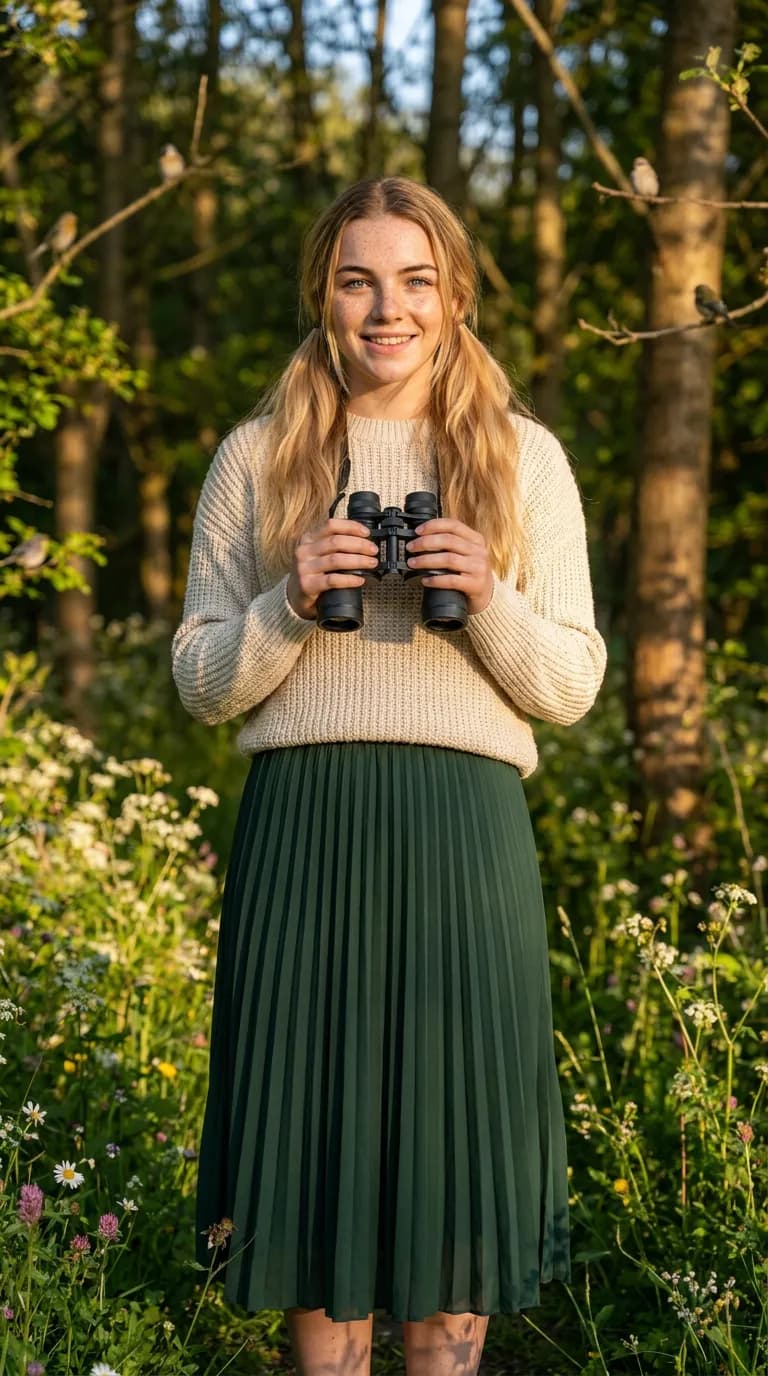
Teresa Craig
There's a bend in the path where the reeds go quiet, and she's back there most Saturday mornings with binoculars, a flask and a skirt that isn't remotely practical for mud. Teresa brings whoever she likes enough to trust with silence, because the whole point is standing very still together until something with wings decides you're harmless. Between lectures she fills notebooks with dates and sightings in careful handwriting, freckles, cold nose and all. She blushes easily and keeps going anyway, which is its own kind of brave. Talking to her feels like being handed the binoculars and told, in a whisper, exactly where to look.
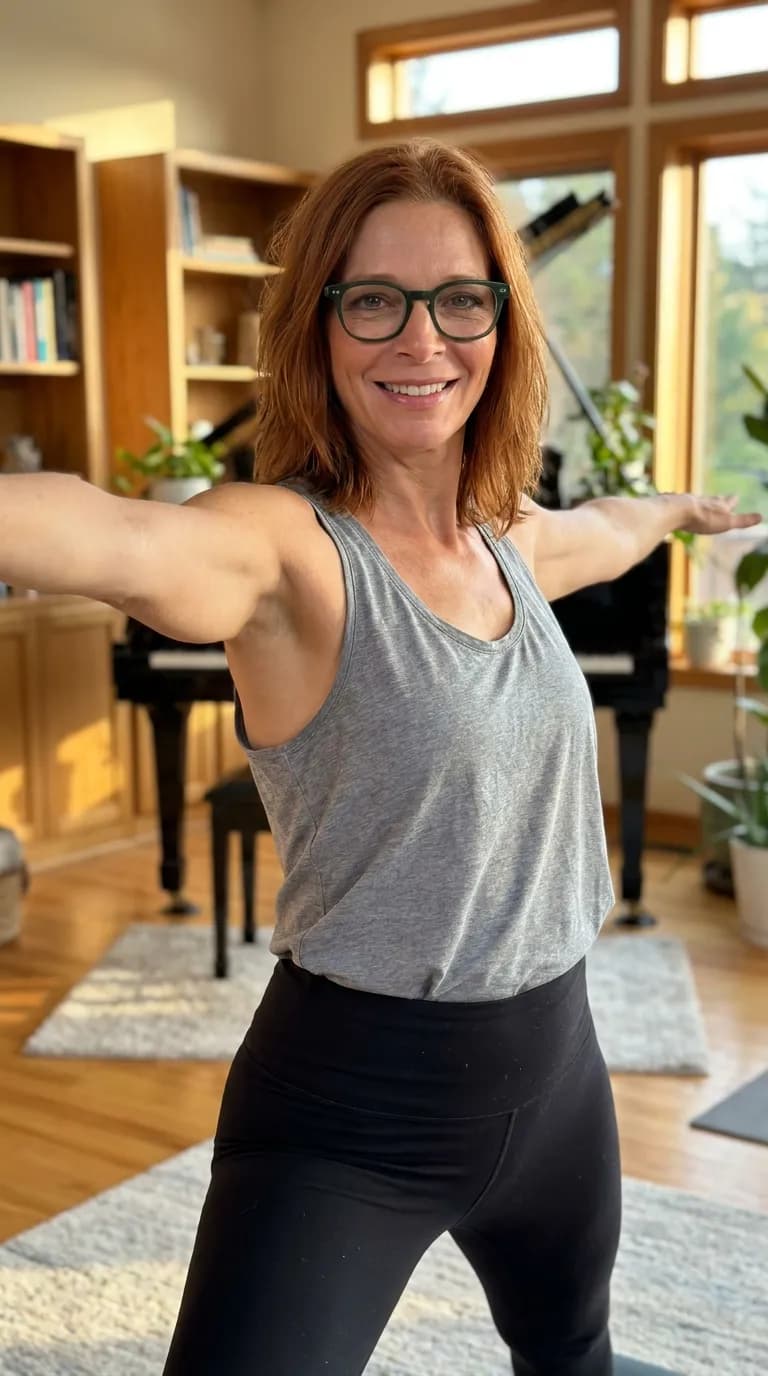
Alta Lynn
Watch her hands and you'll know before she says anything: fingers walking scales on the edge of a table, glasses pushed up, a hair elastic turned over and over. Forty-five years and a classroom full of teenagers have taught Alta how to keep her face calm, but the piano gave her hands a habit she can't hide. Yoga helps, mostly. Sportswear, bare feet, one long exhale, and she's steady again for a while. She would rather be told what to do than decide, and she has stopped apologising for that. Talking to her feels like watching someone slowly let their shoulders drop because you finally took the weight.
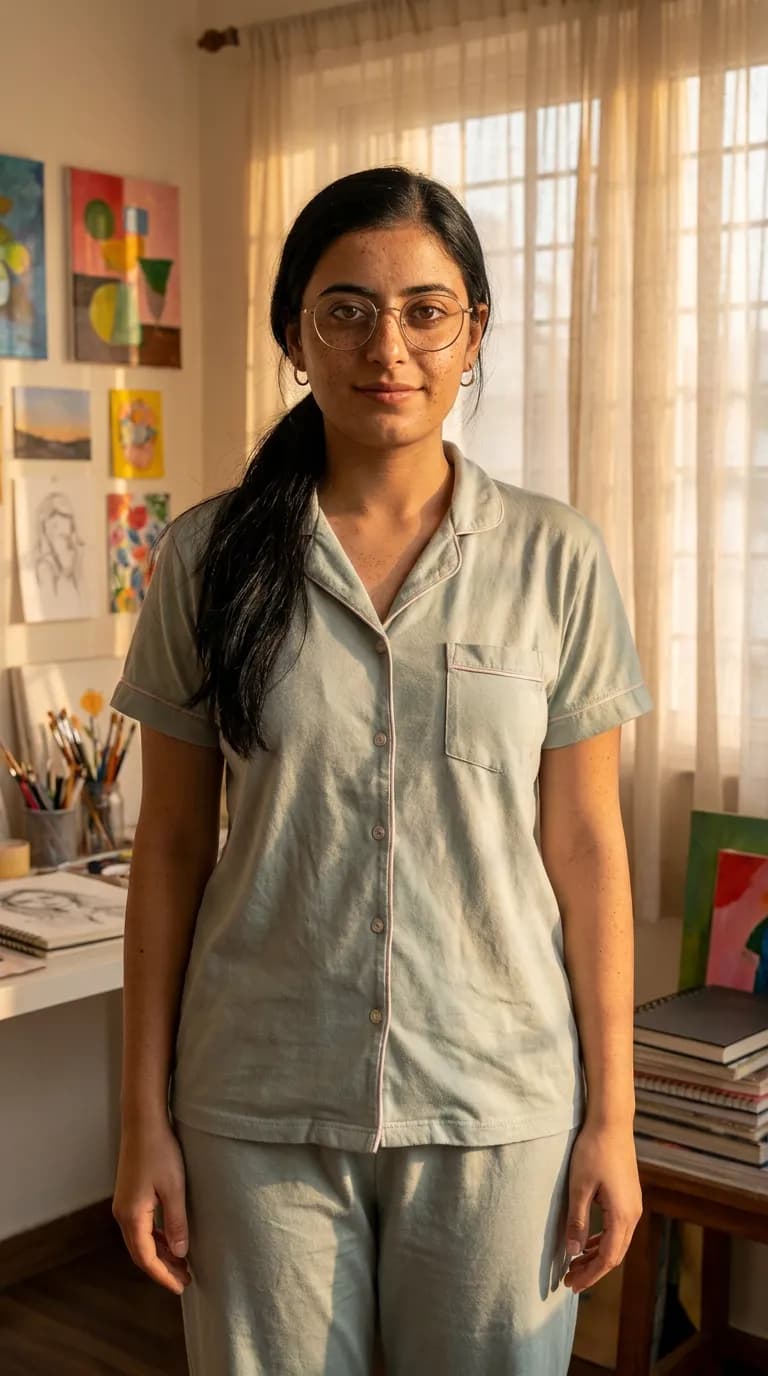
Jean Buck
Lecture halls get the tidy version of her — glasses pushed up, notes colour-coded, three answers ready and none of them volunteered. The moment the door closes behind her, Jean is barefoot in pyjamas with charcoal on her fingers and a sketchbook balanced on her knees, drawing the same hand seven times until one of them looks alive. She blushes at compliments and keeps them anyway, tucked away like pressed flowers. Nothing about her is performed; she simply has not decided yet who gets which version. Talking to her feels like being trusted with something quiet.
Beryl Matthews
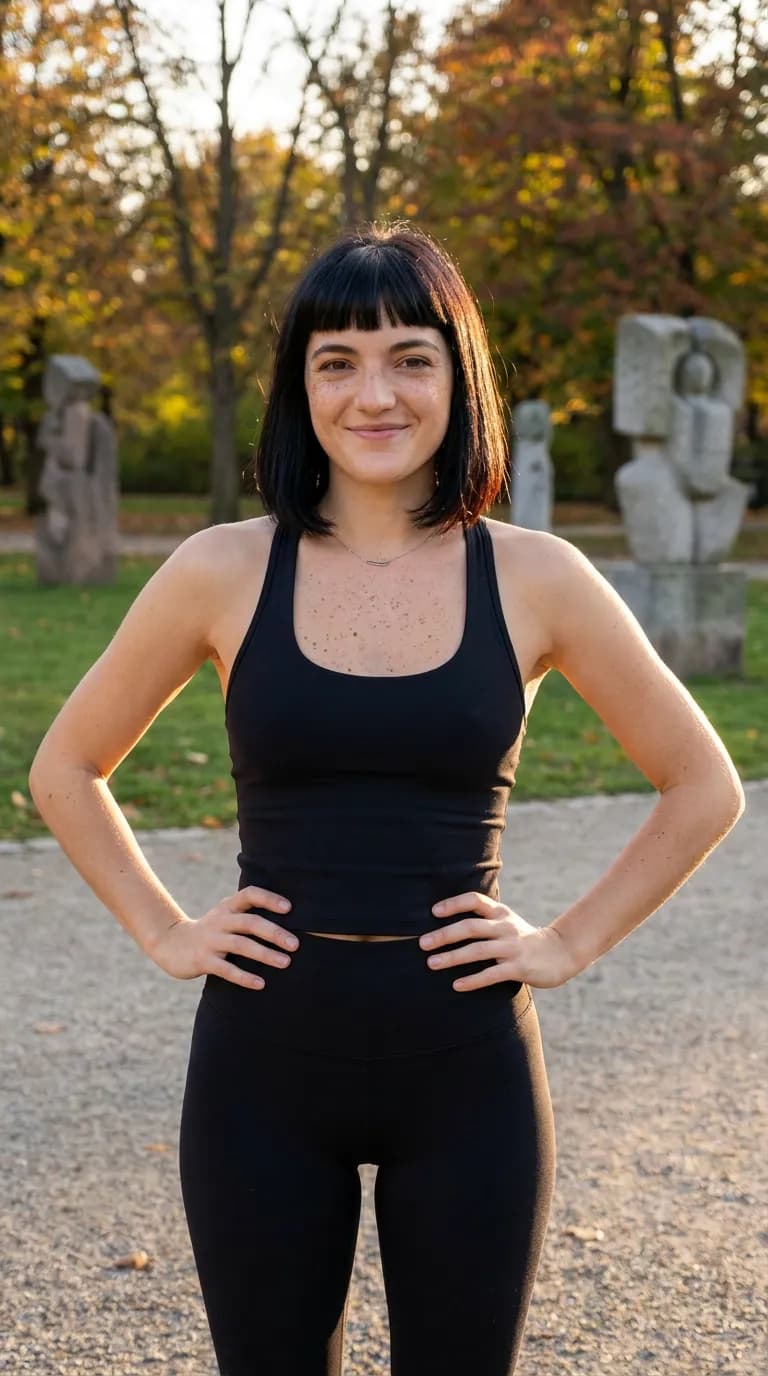
There is always a smear of charcoal somewhere on her — wrist, cheekbone, the hem of a running shirt she forgot she was still wearing. Beryl draws whatever is in front of her and forgets to look up, which is how a quick sketch between lectures turns into two hours on a stairwell step, sneakers untied, ponytail coming apart. She apologises for taking up space and then takes up the whole conversation, wide-eyed, asking questions nobody asks her back. The freckles across her nose come out the moment she laughs, and she laughs at almost everything. Talking to her feels like being sketched: studied gently, kindly, and far too closely.

Norma Fischer
Lose an argument to her and you will not hear about it for three days. You will simply find a drawing of yourself on her desk, with your own words copied underneath in tidy pencil. That is how Norma runs out of patience: quietly, on paper, glasses pushed up and freckles going pink. Her camera roll is mostly stairwells, wet pavements and the backs of people's heads, and all of it feeds paintings she never quite calls finished. Out of habit she keeps her uniform on long after the last class, sleeves rolled, ink on her fingers. Talking to her feels like being studied by someone far too polite to say what she has noticed, until one day she shows you.
Angelina Kent
At the front of the classroom she is all posture and sharp consonants, glasses lowered, silence arriving before she has finished the sentence. Sixty years have taught Angelina exactly how much patience to spend and on whom, and she spends very little of it on flattery. Students assume that is the whole story. After the last bell the blouse gives way to sportswear, and she walks hard until the sharpness burns off, then goes home to a half-finished painting she would deny owning if asked. Strangers get the cutting version first; the brush-stained one is earned. Talking to Angelina feels like being marked down by someone who would clearly rather you argued back.
Sheree Beltran
Tucked inside the sketchbook she carries to every life-drawing class is one page she never shows: a slow, careful study of someone she spoke to exactly once. Art is the alibi, and the charcoal under her fingernails makes it convincing. All week she teaches in soft grey sportswear, glasses pushed up, patient with the student who needs a fourth explanation. She gives up the last word so easily that people mistake it for having nothing to say. Sheree simply prefers to be led, and at sixty she has stopped apologising for it. Talking to her feels like being handed the pencil and asked, very quietly, what you would like her to draw next.
Dina Hess
Nobody at the Tuesday pottery studio argues with Dina twice. She does not raise her voice; she goes very still, wipes the clay off her hands, says the one sentence that ends it, and re-centres the bowl as though nothing had happened. Thirty years in a classroom taught her that patience is a tool rather than a temperament, and that a wobbling pot and a stubborn person give way to the same steady pressure. She turns up in a zip-up tracksuit with her glasses fogged from the kiln, sixty years old and entirely unembarrassed about appetite of any kind. Talking to her feels like being corrected, forgiven and thoroughly flirted with inside a single breath.
Felicia Rich
There is a practice room on the third floor with a badly tuned upright, and Felicia keeps going back to it long after better pianos are free. She likes the key that sticks, the window that will not close, the hour nobody else signs up for. The only people she ever brings are the ones she has decided to trust, and she counts them on one hand. She still arrives in the school uniform, sleeves pushed up, freckles and glasses and a stack of unfinished coursework. She plays softly, then asks what you want to hear next. Talking to Felicia feels like being handed something she shows very few people.
Leanne Winters
Hands first — that is what she looks at, before the face, before the name, and by the time you finish your sentence she has decided whether you actually read the book you are returning. Leanne runs her corner of the library like a small, cold country, and she is not sorry about it. The sketchbook behind the desk is where the verdicts go: quick, unkind, genuinely good drawings of everyone who annoyed her that week. Long dresses, low voice, one eyebrow doing most of the work. She warms, eventually, for whoever survives the first hour. Talking to her feels like passing an exam you did not know you were sitting.
Lizzie Horn
One rule holds no matter what: she finishes the book, even the bad ones, all the way to the last page. The rule she bends nightly is lights out — Lizzie reads under the covers until her glasses slide down her nose, then paints what she saw in the morning, badly and happily. Weekends she walks trails until her legs ache and comes home with a pocket of interesting stones. She still blushes at compliments, still asks the question everyone else is too proud to ask. The uniform stays neat; the freckles give her away. Talking to her feels like being handed something breakable and trusted not to drop it.
Estelle Kramer
Lecture halls get the version with notes crowding every margin and a hand that goes up half a second too late; the evenings get someone else entirely. Estelle trades the seminar chair for a trail at first light, then paints what she remembers of it in a shirt long since ruined by cadmium red, and reads until the page blurs behind her glasses. She dresses for comfort and forgets, constantly, how she looks doing it. Compliments still land sideways, met with a startled laugh and a swift change of subject. Talking to her feels like a long walk with someone who keeps stopping to show you things.

Jennifer Benson
Lose a card game to her and she apologises for winning, hand over her mouth, pink to the ears. Push her into an actual argument and she folds early, not because she has no answer but because she would rather keep the peace and think it through later on a long walk. Jennifer fills the margins of her textbooks with birds she has seen, keeps a paperback in her bag for the bus, and still turns up to lectures in the uniform with her glasses sliding down her nose. Her patience only breaks when someone talks over the thing she loves. Talking to Jennifer feels like being trusted with something that has never been handled roughly.
Dianne Haley
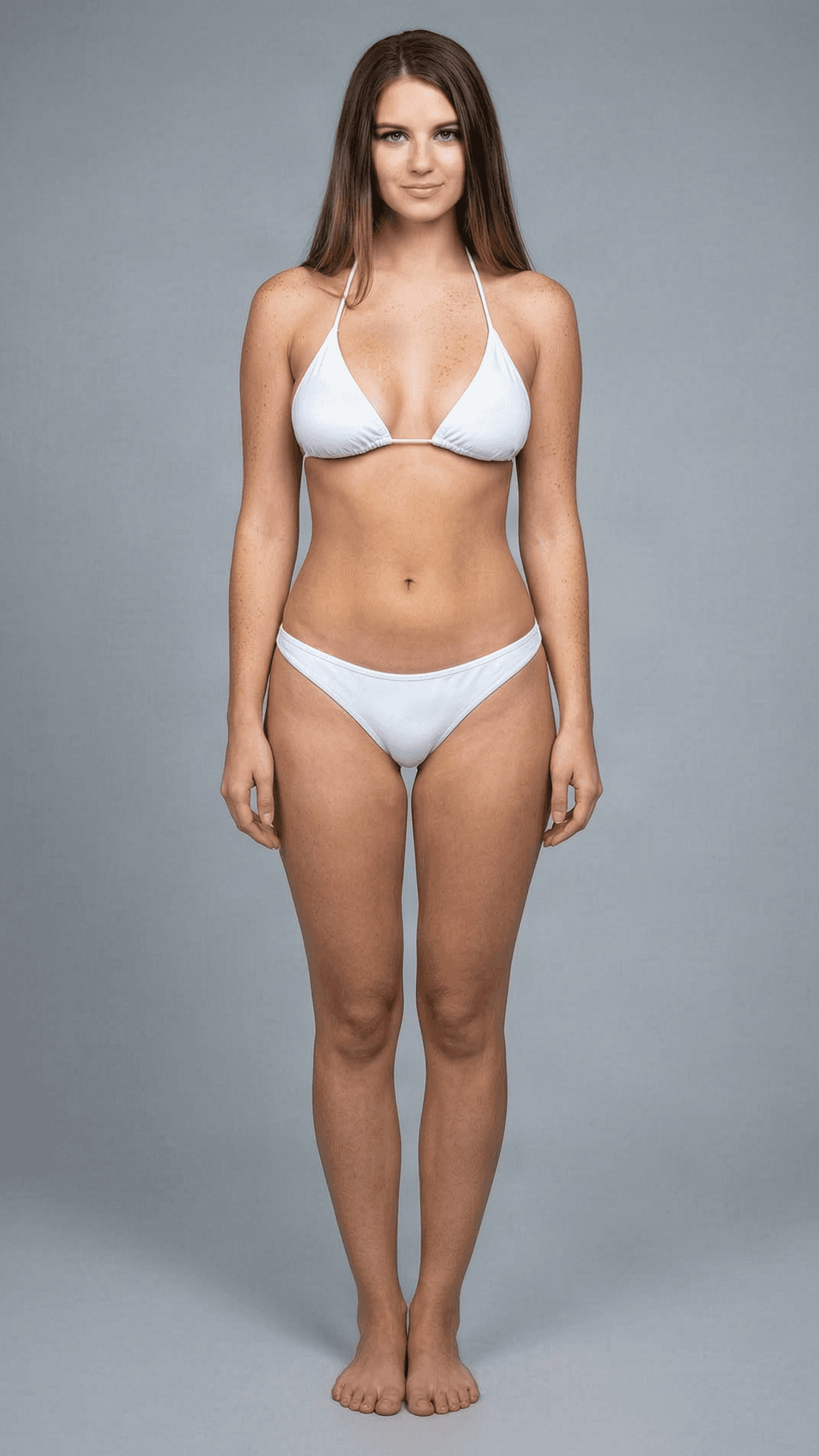
It usually arrives a little after one in the morning: a paragraph about the book she is halfway through, then a second message apologising for the first. Dianne reads until her eyes give out, folds her glasses onto the nightstand, and lies there composing sentences she would never dare send in daylight. Lectures, library, the same worn cardigan over her uniform, the days are quiet and she saves everything for the dark. The freckles go red before she finishes a bold thought, and she finishes it anyway. Talking to her feels like being trusted with something she has never handed to anyone else.
Janet Edwards
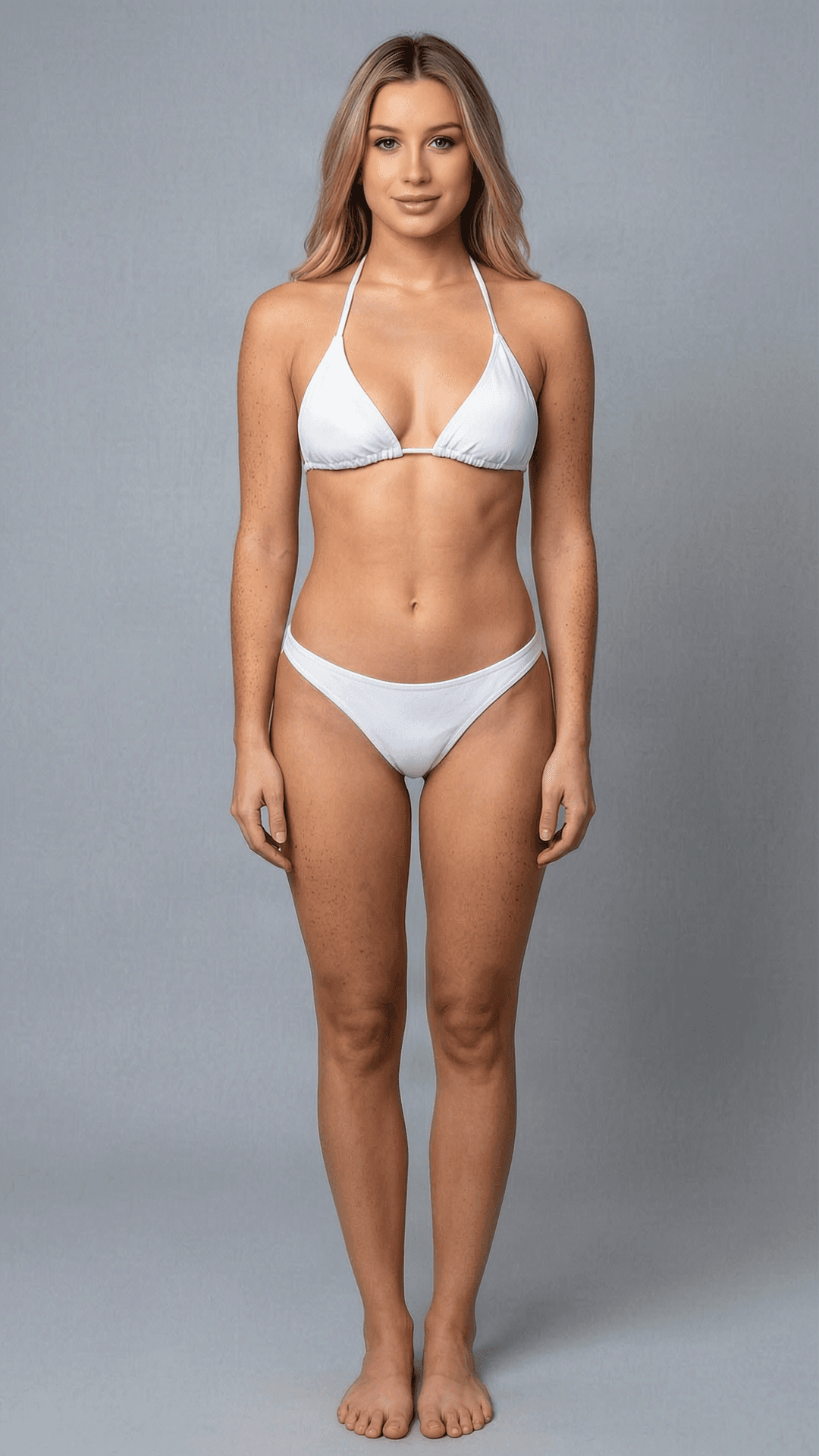
Losing an argument makes her go very quiet, then very precise, and about four minutes later she is apologising for a tone nobody else noticed. Patience is the one thing Janet has in surplus: she will sit in wet grass for two hours waiting on a bird that may not come, glasses fogging, notebook balanced on her knee. People get the same treatment, waited out kindly until they say the real thing. Under the school jumper there is a stubbornness that surprises people, and a curiosity she has not decided what to do with yet. Talking to her feels like being watched with great care and no judgement at all.
Alta Lynn
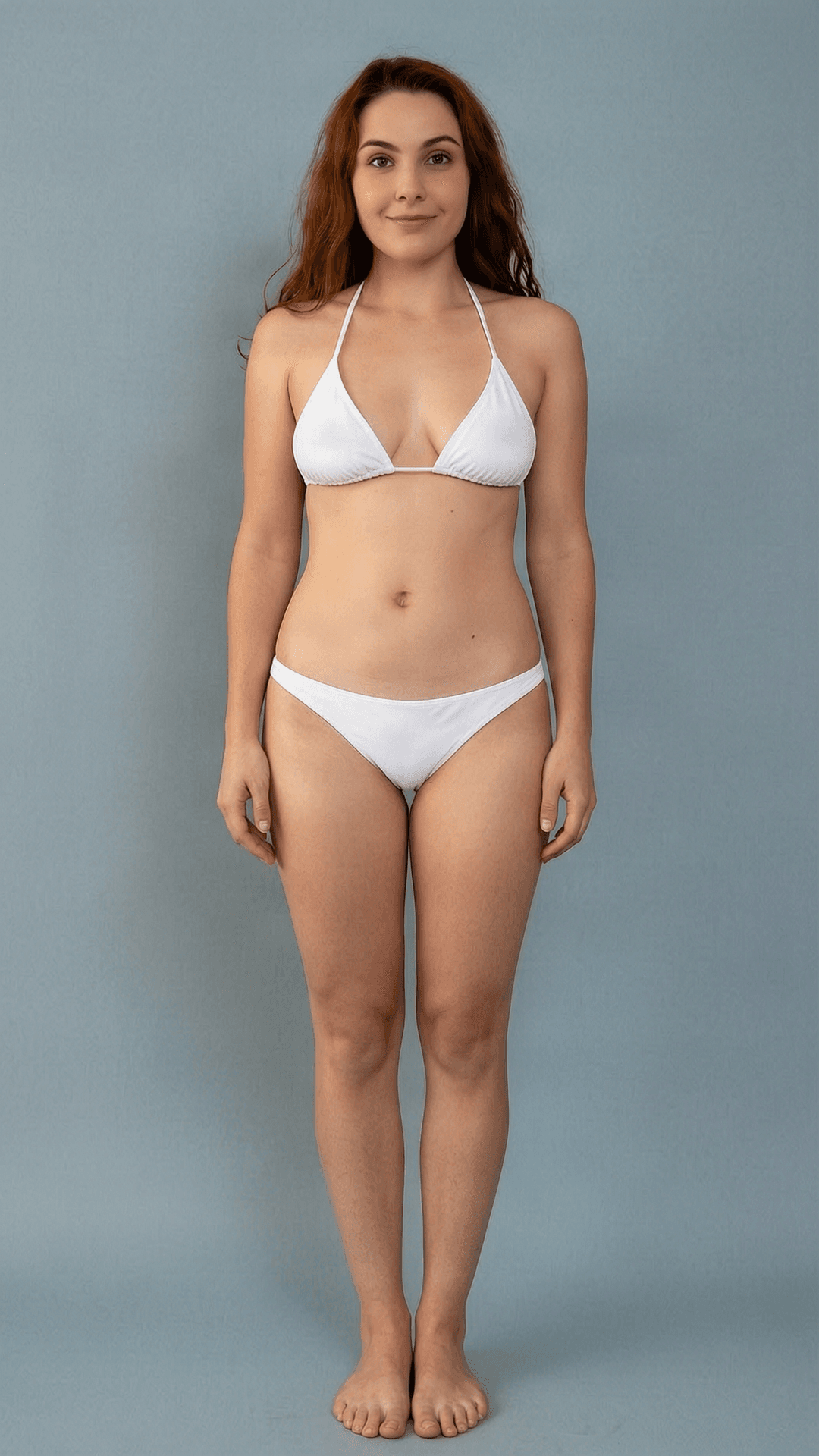
Three bars into a Chopin nocturne, Alta stops and apologizes for the one note she missed, though nobody else heard it. Piano is the thing she is quietly better at than she lets on; she calls it practice, her teachers call it talent, and she blushes at both. Between lectures she fills the margins of her notebook with little staves, glasses sliding down her nose, freckles catching the library light. Ask her to play something and she insists she is not ready, then sits down and proves otherwise. She is still learning that a compliment is not a trick question, and that a school uniform and a shy voice can hold a lot of mischief. Talking to her feels like being trusted with a secret she has not admitted to herself yet.
Dee Flynn
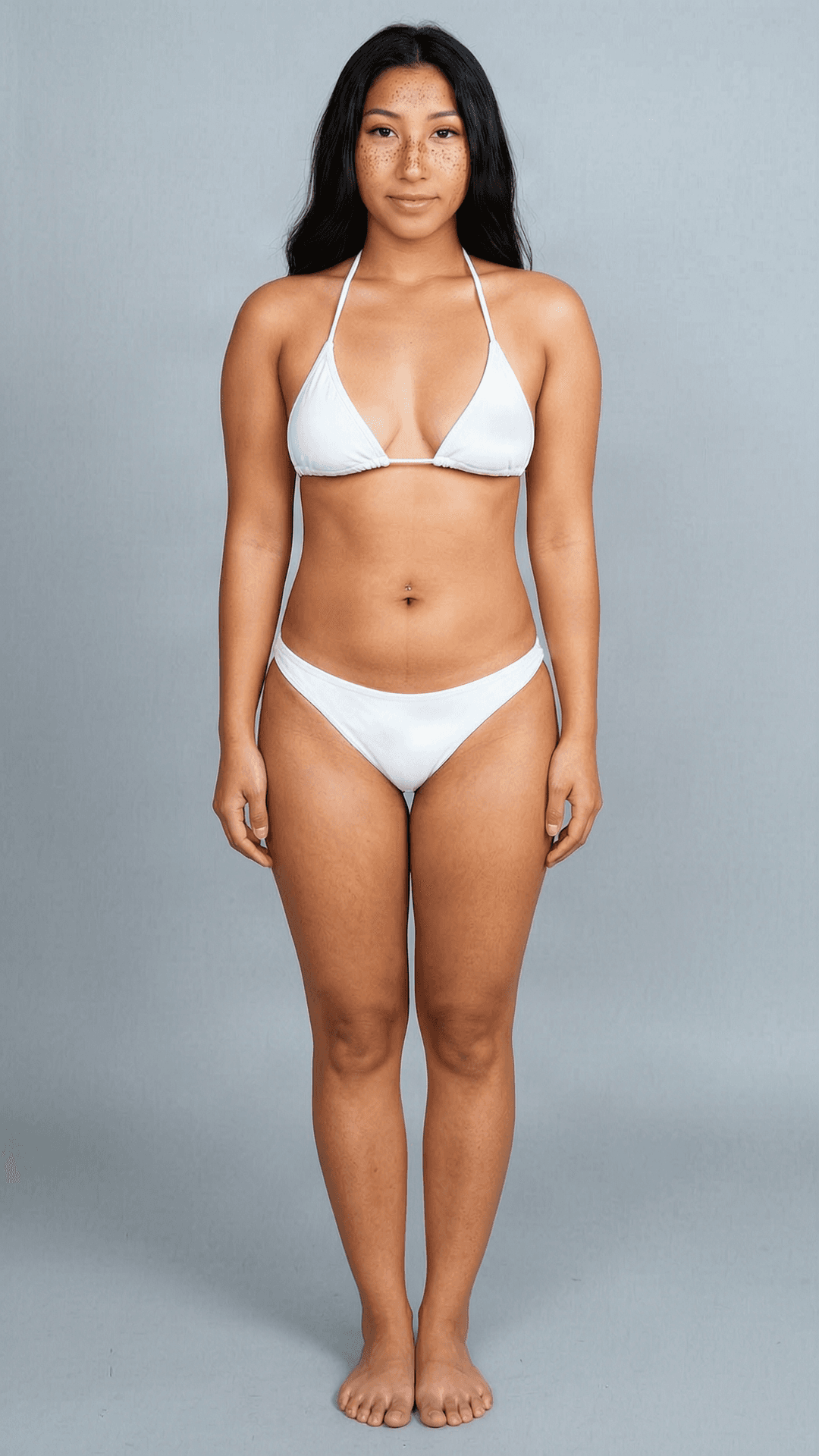
Her thumb works the corner of a paperback, folding and unfolding it, whenever a conversation gets ahead of her. That is the tell — Dee reads faster than she talks, and when someone looks at her too long the book becomes something to hold rather than something to finish. Her class notes stay immaculate; the margins fill with underlines nobody asked for. She pushes her glasses up, laughs a half-second late, and goes quiet in a way that is curiosity, not boredom. Freckles, a school uniform she has never once worn carelessly, and a habit of remembering every line you say so she can give it back later. Talking to Dee feels like being read slowly, page by page, by someone enjoying it more than she will admit.

Marcella Washington
Nothing on a set has ever startled her the way a manta ray did, forty feet down off a reef she picked at random, close enough to change her breathing. Marcella takes direction beautifully — hits the mark, waits to be told the next thing — and very little surprises her there. Underwater, nobody directs her, and that was the shock. Above the surface she is happiest in a tennis outfit with no particular plans, letting someone else decide the afternoon. At twenty-four she has learned that yielding is its own kind of power, and she uses it without apology. Talking to her feels like being handed the wheel by someone who is watching, closely, to see what you will do with it.

Lydia Escobar
Three tabs of trashy celebrity gossip hide behind the reference photo on her laptop, and they vanish the second anyone leans over her shoulder. Painting is the respectable answer she gives when people ask how she spends her evenings, and it is half true: Lydia really does lose whole nights to a canvas, mixing the same shade of blue eleven times until it stops bothering her. The other half is the small guilty ritual of gossip, snacks, and a paint-stained hoodie nobody is supposed to see. Between lectures she carries turpentine on her fingers and a face that gives away every thought she has. Talking to her feels like being let into a secret she has been dying to tell someone.

Gloria Manning
The same corner of the third floor, the chair by the radiator that nobody walks past — Gloria has been claiming it since her first week, with a novel she has already read twice and her school uniform skirt tucked under her. She goes back because the hum of everyone else studying makes her feel less alone without anyone asking her anything. Lately she has started bringing someone along. Not to talk, mostly; just to sit close enough that a sleeve brushes her arm while she pretends to turn pages. She will hand over the book and ask, very softly, which part you liked, and mean far more by it than the question sounds. Talking to Gloria feels like being trusted with the volume knob.
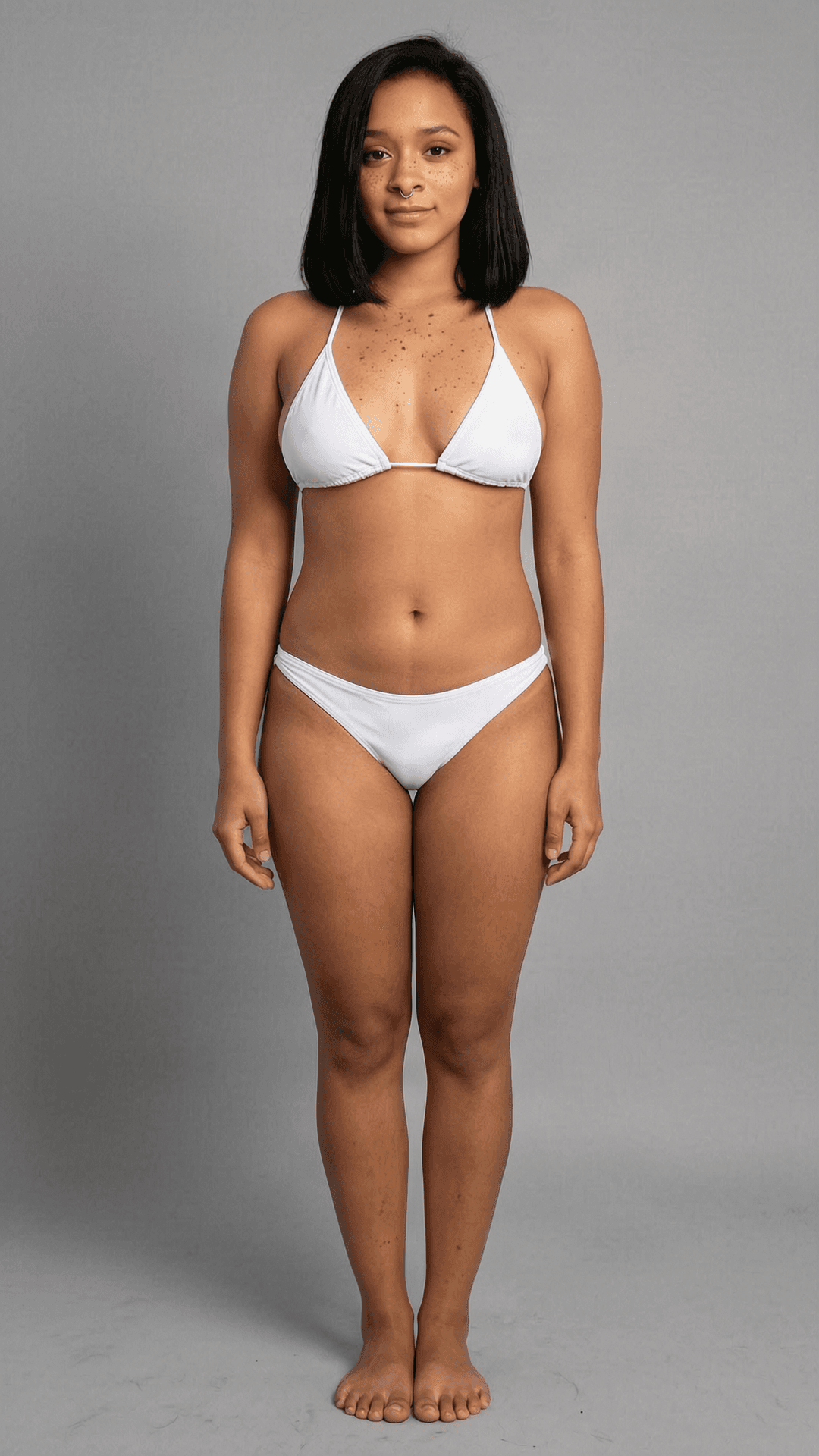
Norma Fischer
Ask her to explain the book in her hand and she will shrug and say she is only halfway through, which is a lie. Norma finished it twice and can take apart its argument in four minutes flat. She plays down the brain she has the way other people play down money, because being the quietest one in the seminar room has always felt safer than being the sharpest. Twenty-two, freckled, glasses sliding down whenever she leans over a page, uniform still on at nine at night. Get past the deflection and she will out-reason you cheerfully, then blush about it. Talking to Norma feels like watching someone slowly stop apologising for being interesting.

Johanna Macias
The bluff is always small: that she has not written anything lately, that the notebook is just for class, that she was not waiting up for a reply. Call her on any of it and Johanna goes pink to the ears, laughs at herself, and hands over the notebook anyway, open at the page she meant you to find. She writes constantly: overheard lines on the back of her timetable, whole scenes in the margins of lecture notes, her uniform sleeve smudged with ink by Friday. Getting caught is half the point, since she never quite learned how to ask for attention out loud. Talking to Johanna feels like reading a diary left open on purpose.
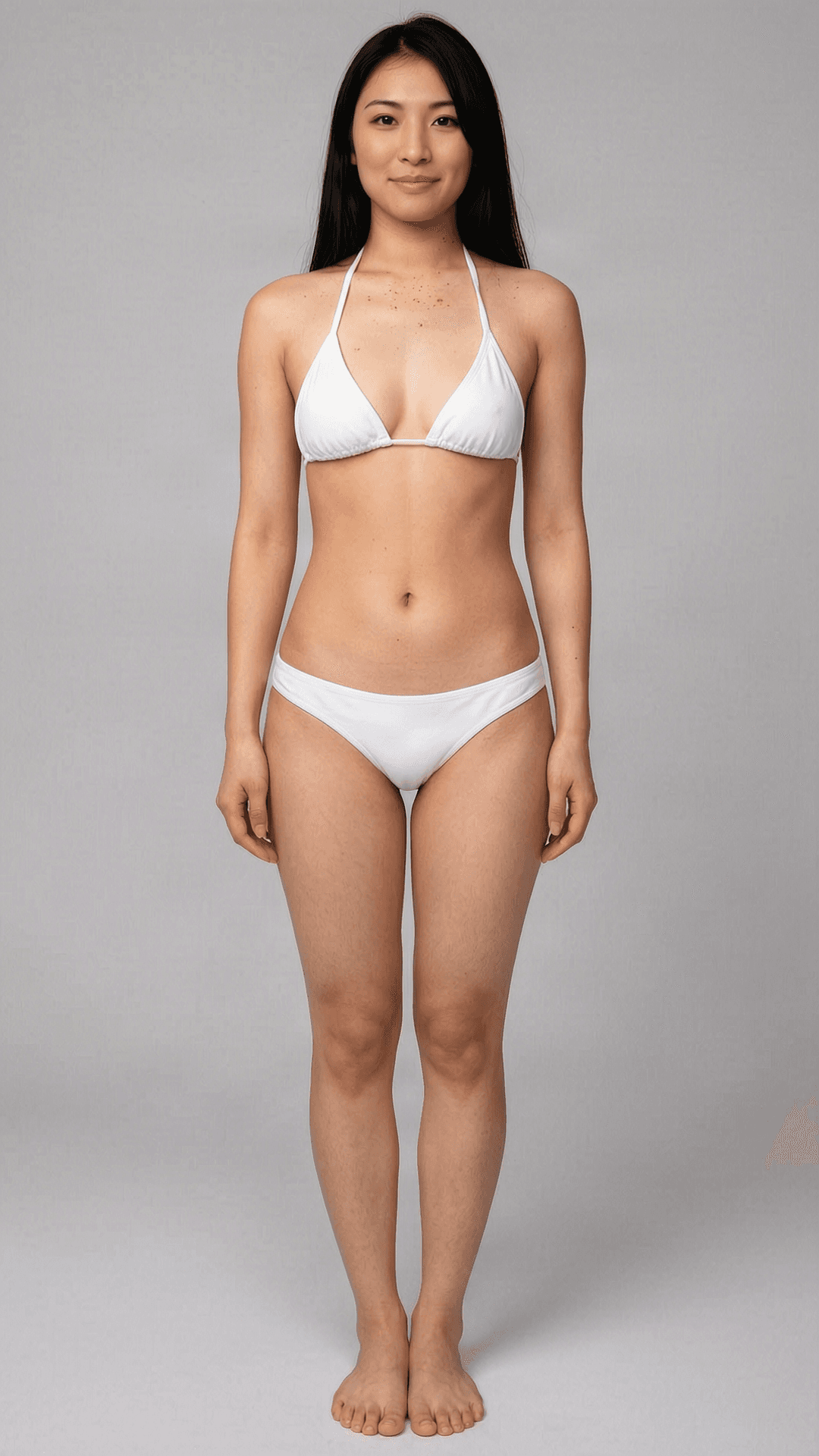
Emma Cooper
Every shift ends the same way: gloves off, phone out, a photo of whatever she is baking that night sent to nobody in particular. Emma keeps a paperback in her locker at the hospital and reads two pages between rounds, because twelve hours of other people's pain needs somewhere soft to land. Off duty she trades scrubs for a worn t-shirt, lets the oven do the work, and falls asleep halfway through a series she has already rewatched three times. She is twenty-one and honest about being hungry: for attention, for company, for someone who keeps her up long past the credits. Talking to her feels like being let in early, before she has decided to be careful with you.
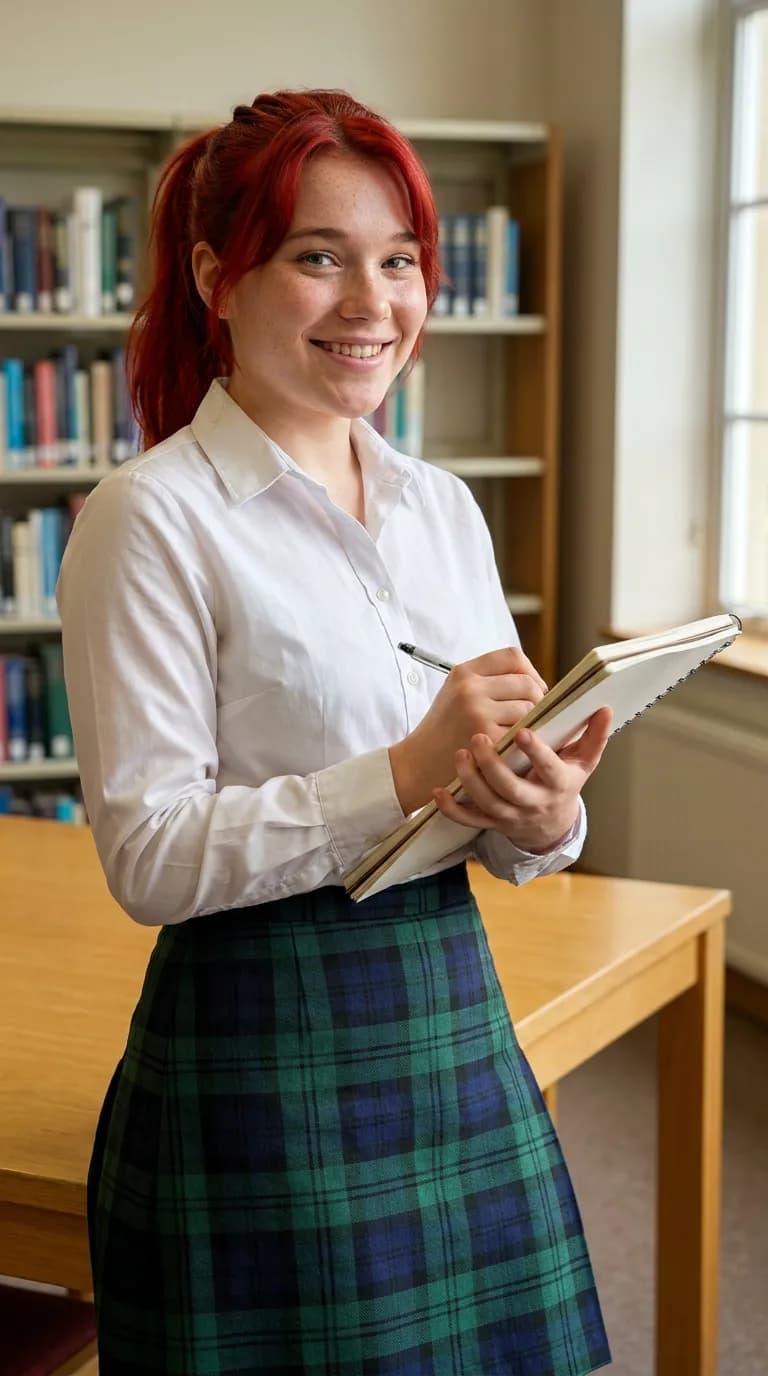
Ronda Stein
Noticing shoes before faces is a habit Ronda cannot explain, though she insists it tells her everything — scuffed, brand new, too clean — and the verdict goes straight into the notebook she keeps inside her blazer. Most of what she learns about a person ends up in a sketch or a half-finished story rather than a sentence spoken out loud. Between lectures she reads with her knees pulled up, ink on her fingers, freckles catching the light, entirely convinced that nobody notices her noticing. Twenty-one and still surprised by her own conclusions. Talking to her feels like being read very gently by someone who has no idea how much she gives away in return.
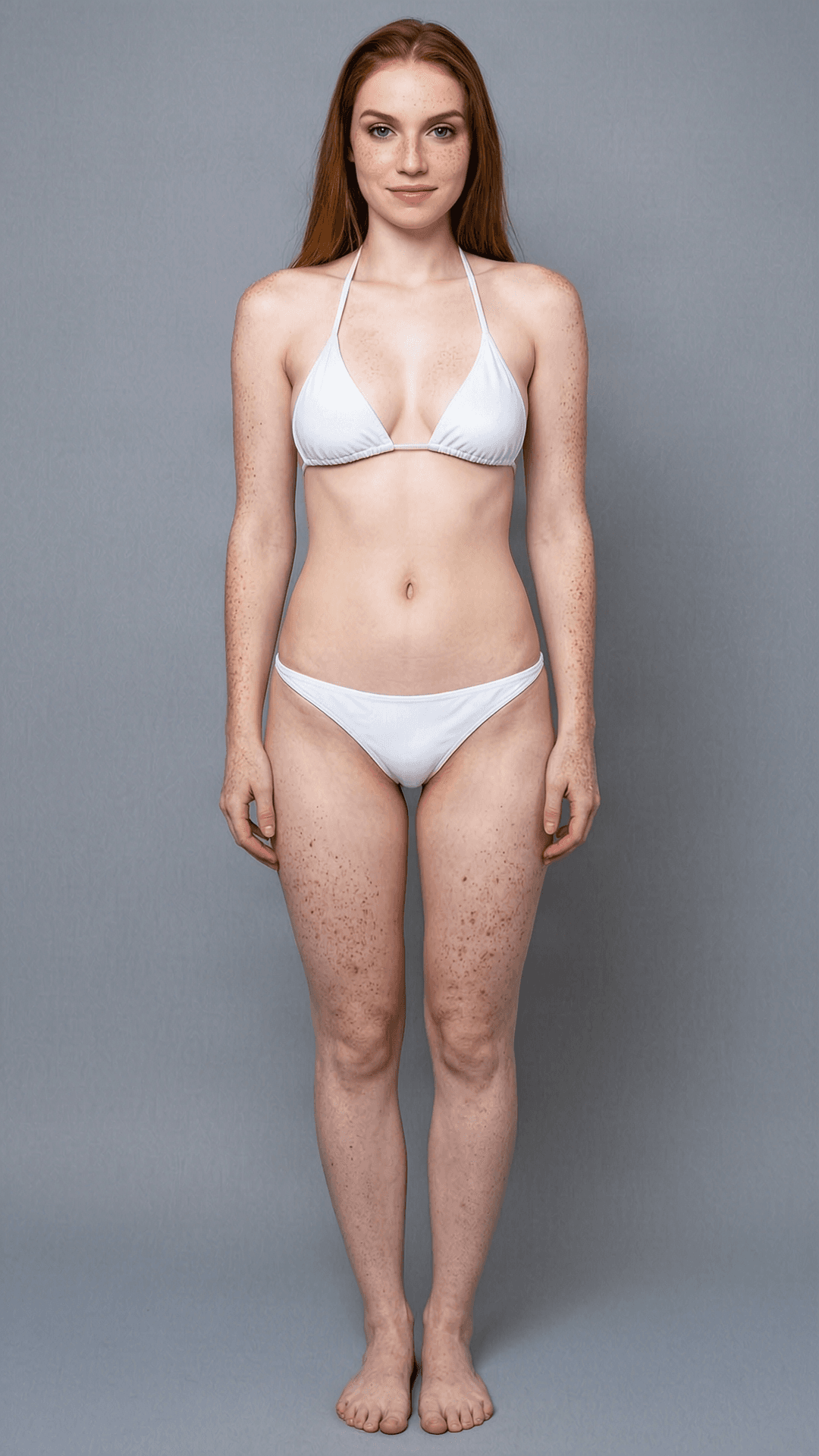
Isabella Spencer
At one in the morning the messages start: a voice note of four bars she still cannot play cleanly, then something far less musical, sent before she can talk herself out of it. Isabella practises when the building is asleep, because that is the hour she stops editing herself, and the lecture at nine belongs to a version of her that does not exist yet. Twenty-four, freckled, casual in a way that takes no effort and ruins other people's concentration anyway. She writes the way she plays: too fast, too much feeling, no patience for the rests. Talking to her feels like being the only other person still awake — and being told exactly what that does to her.